Critics argue that relaxing sanctions on Moscow could strengthen Russia’s war effort, undermine pressure for peace and leave Ukraine more vulnerable to continued attacks.
Debate over US policy towards Russia has intensified as President Donald Trump weighs sanctions relief and diplomatic efforts to end the war in Ukraine. Critics of easing restrictions argue that reducing economic pressure on Moscow could provide the Kremlin with additional resources while offering little assurance that Russian military operations would stop.
The debate comes amid continued attacks on Ukrainian cities and critical infrastructure, raising questions about whether economic concessions can help secure a lasting peace or instead encourage further Russian aggression.
Civilian Casualties Intensify Pressure on Russia
Russia’s continued assault on Ukraine has caused extensive civilian suffering, including attacks on residential areas and essential infrastructure.
The supplied opinion article describes a missile strike on a housing complex in Pryluky that reportedly destroyed 30 apartments and killed 22 people, including five children. The account highlights the devastating consequences of the conflict for families far from the main front lines.
The author argues that Russia’s attacks on civilian areas and energy facilities are intended to weaken Ukrainian morale and undermine the country’s ability to withstand the invasion.
Ukraine, meanwhile, has targeted Russian military assets and infrastructure linked to the war effort, including facilities that support fuel supplies for Russian forces.
These competing accounts of military strategy remain central to the political debate over how the United States and its allies should respond to the conflict.
Trump’s Russia Sanctions Decision Draws Criticism
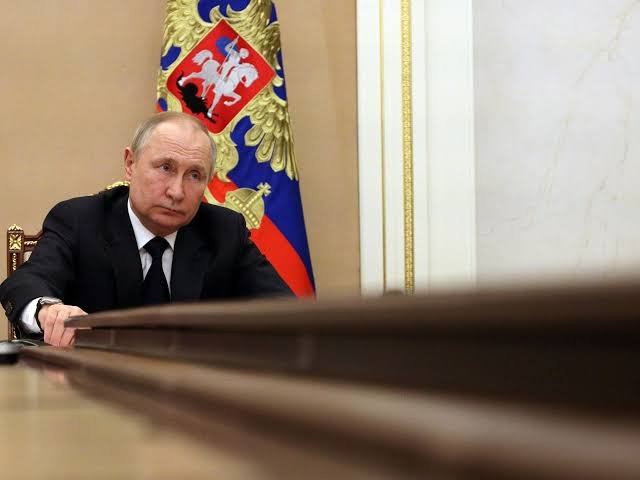
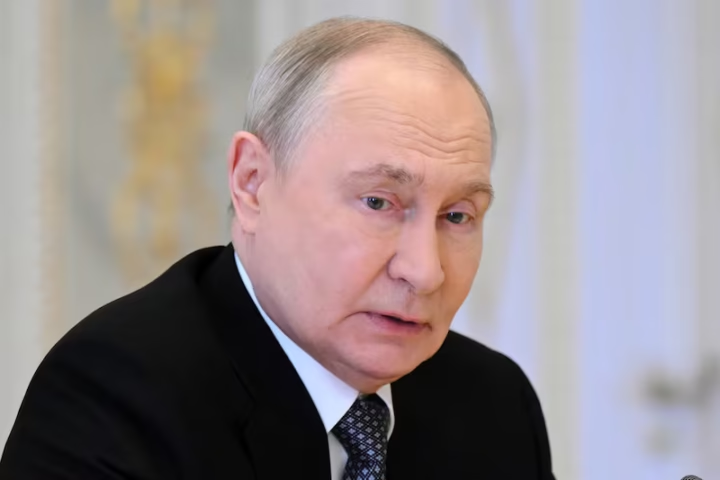
President Trump’s reported decision to put a proposed Russia sanctions package on hold has prompted criticism from those who believe sustained economic pressure is necessary to influence Russian President Vladimir Putin.
Supporters of maintaining sanctions argue that restrictions can limit Moscow’s access to revenue and resources that support its military campaign.
Critics of sanctions relief also question whether potential arrangements involving energy supplies and diesel would meaningfully reduce fuel costs for American consumers.
They contend that offering economic benefits to Moscow without securing concrete commitments to end hostilities could weaken Washington’s negotiating position.
The central concern is that concessions may give the Kremlin additional financial flexibility without producing a corresponding reduction in military activity.
Can Economic Pressure Bring an End to the War?
The debate over sanctions reflects a broader disagreement about the most effective way to end the war.
Trump has expressed a desire to secure peace, but critics argue that diplomatic engagement must be accompanied by credible pressure on the Russian government.
They point to the risks of offering sanctions relief before Russia agrees to verifiable steps towards ending the conflict.
The article’s author argues that previous concessions have not necessarily moderated Putin’s ambitions and warns that additional revenue could help Moscow purchase drones, weapons and other military equipment.
However, the ultimate impact of sanctions depends on their design, enforcement and interaction with broader diplomatic and economic conditions.
Ukraine’s Territorial Security Remains a Major Obstacle
Territorial disputes remain among the most difficult issues in negotiations to end the war.
The Kremlin has sought control over Ukrainian territory that it has not fully captured militarily, while Kyiv has rejected proposals it considers equivalent to surrendering strategically important land.
The opinion piece argues that Ukraine should not be expected to relinquish fortified territory simply to secure an agreement, particularly when its government views such concessions as a threat to the country’s long-term security.
A durable settlement would need to address not only territorial control but also Ukraine’s sovereignty, future security arrangements and the enforcement of any agreement.
Without credible guarantees, a ceasefire could pause the fighting without resolving the underlying conflict.
Russia, China and the Future of Western Security
Another argument in the debate concerns whether Washington should seek closer relations with Moscow to counter China’s growing global influence.
Some foreign policy thinkers believe cooperation with Russia could serve American strategic interests. Critics of that approach argue that Putin’s stated views on the collapse of the Soviet Union and Russia’s regional role suggest that Moscow’s ambitions extend beyond a limited dispute with Ukraine.
They warn that treating Russia as a natural ally could overlook fundamental differences over democracy, European security and the sovereignty of neighbouring countries.
From this perspective, maintaining pressure on Moscow is not only about the immediate war but also about discouraging future attempts to change international borders through military force.
The Challenge of Securing a Lasting Peace
The argument against easing sanctions is ultimately based on the belief that economic relief should follow meaningful progress towards peace rather than precede it.
Critics contend that Washington risks weakening its leverage if it provides financial benefits to Russia without securing enforceable commitments to reduce hostilities and respect Ukraine’s sovereignty.
Supporters of diplomatic engagement may counter that negotiations require incentives as well as pressure. The challenge for policymakers is determining whether any proposed concessions can produce measurable progress without strengthening Russia’s ability to continue the war.
As negotiations continue, the effectiveness of US policy will depend on whether diplomatic efforts can translate into a sustainable settlement that protects civilians, preserves Ukrainian sovereignty and reduces the risk of renewed conflict.