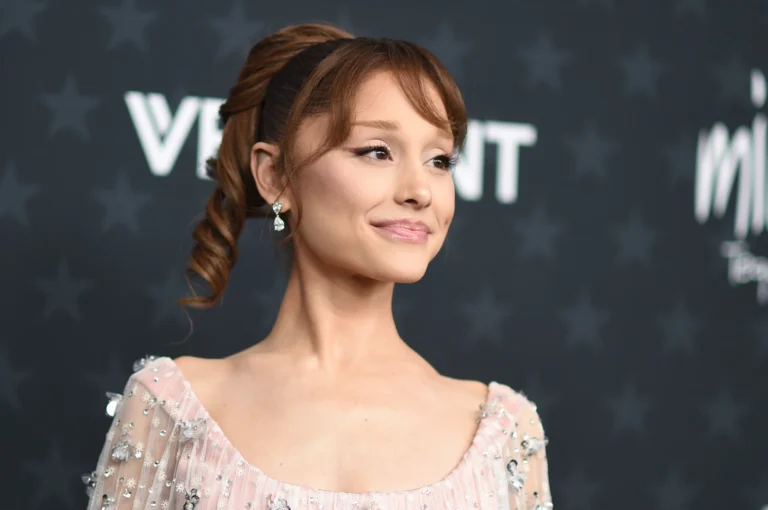
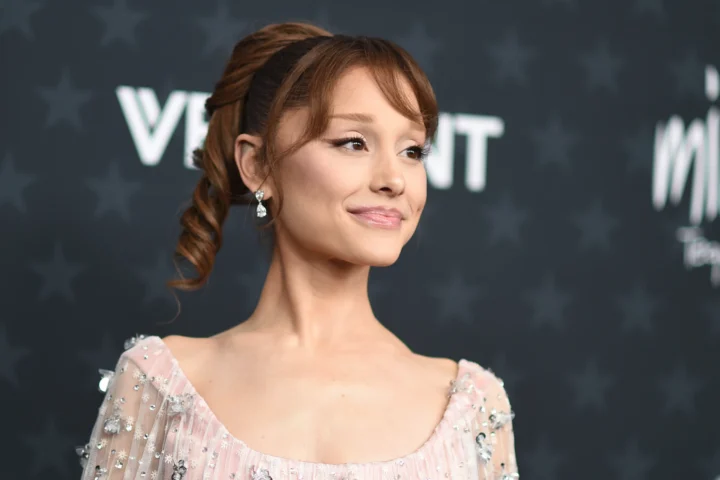
The release of Ariana Grande’s latest music video and her new album, Petal, has once again sparked widespread discussion about body image, celebrity culture, and the pressures placed on women in the public eye. Rather than focusing solely on her music, much of the online conversation has centered on Grande’s noticeably slimmer appearance, reigniting debates over beauty standards, privacy, and the ethics of commenting on another person’s body.
Throughout her career, Grande has faced constant public scrutiny regarding her appearance. Recent commentary has focused on her visible bone structure, prompting both expressions of concern and criticism from social media users. While some framed their comments as genuine worry, others argued that the ongoing discussion amounted to body-shaming and an invasion of personal privacy.
Grande has consistently addressed these conversations by emphasizing that people should refrain from commenting on others’ bodies. She has repeatedly stated that she is healthy and has encouraged greater kindness and understanding, reminding audiences that appearances rarely reveal the full story of someone’s physical or mental well-being. According to her representative, the singer plans to step back from public life after her current tour due in part to the relentless public scrutiny surrounding her personal life and appearance.
Ironically, her nearly seven-minute music video explores many of the same themes now dominating public discussion. Through its lyrics and visual storytelling, the project examines the emotional cost of fame, constant judgment, and the pressure to meet impossible expectations. One of the video’s most powerful messages comes through the lyric, “I don’t need someone to save me. I’m not a victim,” highlighting her desire to define herself rather than be defined by public perception.
Mental health professionals say the way people discuss body image—whether about celebrities or ordinary individuals—can have lasting consequences. Johanna Kandel, founder and CEO of the National Alliance for Eating Disorders, emphasizes that people should consider the purpose behind comments about another person’s appearance. Concern, she notes, should be expressed with empathy rather than criticism, asking whether comments genuinely help or simply contribute to harm.
Experts also point out that women have historically faced disproportionate scrutiny over their physical appearance, despite growing movements promoting body acceptance and inclusivity. The recent popularity of weight-loss medications and changing beauty trends have further intensified conversations about thinness, health, and unrealistic expectations, particularly among young audiences influenced by celebrity culture.
Rachel Goldman, a psychologist and clinical assistant professor at NYU Grossman School of Medicine, warns that public discussions about celebrity bodies reinforce the harmful idea that a person’s appearance is open to public evaluation. Such conversations, she says, may unintentionally send the message that physical appearance determines personal worth, especially to younger people who closely follow public figures.
While experts acknowledge that eating disorders and body image concerns are real issues that deserve attention, they stress the importance of approaching these topics with compassion rather than speculation. Genuine concern should prioritize emotional support and respectful dialogue instead of public commentary or assumptions based solely on appearance.
The renewed conversation surrounding Ariana Grande reflects a broader cultural question: in an age where social media makes every opinion instantly shareable, should every observation be voiced? Increasingly, health professionals and advocates argue that empathy, privacy, and thoughtful communication are essential—not only for celebrities but for everyone navigating the complex relationship between identity, appearance, and mental well-being.